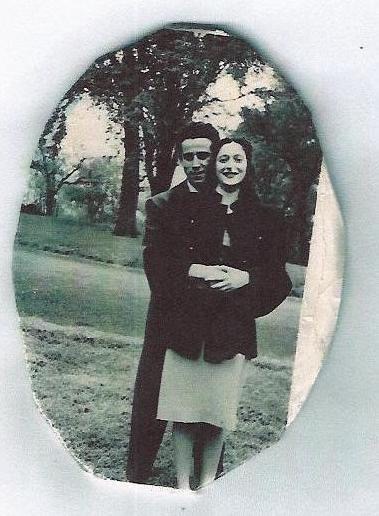
For Eli “Ted” Hanover, the end of his brief boxing career did not mean the end of hard work or uncertainty. The world was at war, and his path took him from Baltimore's boxing circuit to the merchant ships that connected America's ports with a world in conflict. In time, he would return to Baltimore, marry Frances Hannah Michaelson, and build a family while maintaining a connection to the seafarers' union.
From the ring to the sea
The project research places Eli's entry into the U.S. Merchant Marine during the early years of World War II. Merchant mariners were civilian sailors whose vessels carried vital supplies and other cargo during wartime. Their work supported the war effort, although merchant maritime service should not be confused with enlistment in a branch of the armed forces.
For a young man raised in East Baltimore, maritime work meant an entirely different kind of discipline. Ships depended on crews working together, often far from home, in an industry shaped by risk, long voyages, and the demands of commerce. The research suggests Eli remained a mariner beyond the war, but we have not yet recovered his discharge book, ship roster, or voyage records.

Thirteen years beyond Baltimore
Eli “Ted” Hanover: Life and Legacy reports that Eli spent approximately thirteen years sailing and later worked ashore for the seafarers' union. That figure offers a sense of how significant the sea was in his adult life, but it does not yet tell us which years he spent aboard ship continuously, which ports he called at, or whether his voyages were interrupted by work or family obligations.
These details matter. The difference between an occasional shore leave and a permanent homecoming changes how we understand his early marriage, his children's childhoods, and the balance Frances carried at home. Until we have testimony or documents, the story should acknowledge that both the sea and Baltimore remained part of Eli's life during this period.
Frances and a life taking shape at home
After wartime service began, Eli's personal story became inseparable from that of Frances Hannah Michaelson. The research places their marriage around the late 1940s or early 1950s, but does not establish a precise wedding date or the circumstances of their first meeting. The couple built their home life in Baltimore and eventually raised nine children.
Family recollections previously shared with this project describe Frances managing much of the household while Eli continued his maritime work. When he was home, family time mattered: visits to local eateries, evenings watching movies or television together, and occasional trips connected to his interest in horse racing at Pimlico appear in those recollections. These personal details are valuable leads for oral-history interviews; they should be attributed to the family until individual witnesses and dates are recorded.
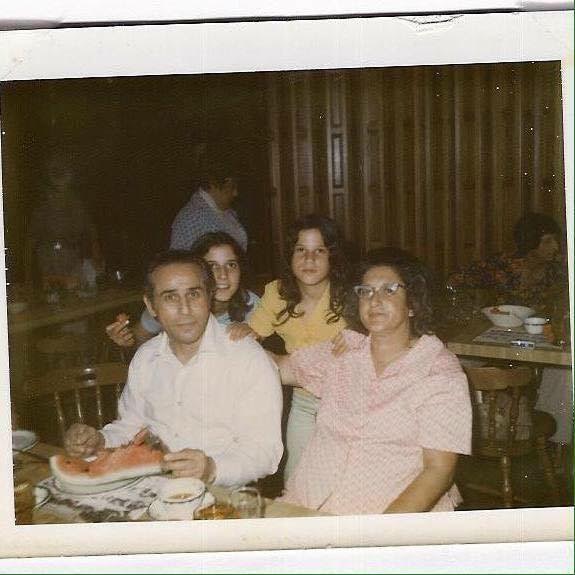
Nine children. One Baltimore home.
The biography names nine children of Eli and Frances. Rather than turning their childhood into a simple list of dates, future interviews can help us understand what everyday life in the Hanover household felt like—how they celebrated, shared responsibilities, and stayed connected when Eli was away.
Photograph candidates: HAN-ELI-0002 and HAN-ELI-0003. A separate Eli-and-Frances portrait is displayed here with publication approval; the additional family-photo candidates remain under review.
A voice among seafarers
The project biography reports that Eli later worked as an organizer for the Seafarers International Union in Baltimore. This would have drawn on his maritime experience and placed him in the world of workers, ports, and organized labor. The available research, however, does not establish his job title from employment records, the precise period he worked ashore, or the campaigns in which he participated.
His connection to maritime labor may also help explain why union spaces feature in the next phase of his boxing career. That is a promising historical thread—not yet a proven cause-and-effect account. Establishing the relationship will require interviews, records, and contemporary reports.
A return to the ring—on different terms
By the early 1960s, Eli's public story began to shift toward the Jewel Box, an upstairs boxing gym, and the challenge of promoting local fighters. The skills and relationships he developed while working at sea and around organized labor became part of the background to that transformation. How directly they shaped his move into the business remains an open question.
Before the posters, the ticket sales, and the bigger fight cards, there was a family growing in Baltimore and a man moving between the world he knew at sea and the sport he never entirely left behind.
Maritime and family years · working timeline
- Early 1940sMerchant Marine service begins, according to the research biography; first sailing date unverified.
- World War IIService aboard merchant vessels is reported; exact ships and routes are not yet documented in this project.
- Late 1940s–early 1950sMarriage to Frances Hannah Michaelson, provisionally dated in research; exact date open.
- 1950sA growing Baltimore family and a reported transition into work with the Seafarers International Union.
- Early 1960sThe path toward the Jewel Box gym and professional fight promotion.
From the chapter archive